


When Does a Band Stop Being a Band?

The Ship of Theseus in Modern Music
When you see posts on social media announcing that a band member has left the band or been kicked out, you often read comments like, "This isn't my band anymore" or "You've lost a real fan." That feeling comes pretty quickly, especially when it's a band you've loved from the very beginning. But when does a band stop being a band? After the first lineup change, after the fifth or never?

For more than two thousand years, philosophers have asked a similar question: if one plank of a ship is replaced, is it still the same ship? This famous and challenging thought experiment is known as the Ship of Theseus. Surprisingly, it fits modern bands remarkably well.
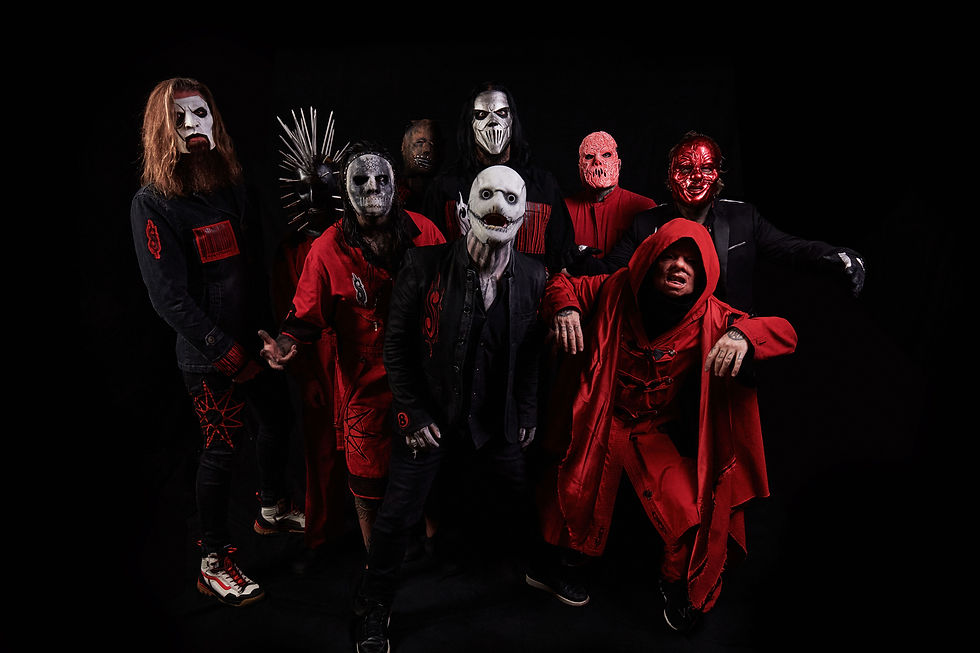
A famous example is Slipknot. Their identity is built around the idea of equal band members. Every member has their own fans, and whenever someone leaves or gets kicked out, the reaction among fans is intense. If you type "Slipknot drummer Jay Weinberg" into Google, one of the first suggestions is "fired." There are countless Reddit threads where fans discuss why he had to leave. The latest rumors, at least at the time of writing, are that Sid Wilson has been fired. I call them rumors because nothing has been officially confirmed. Reddit is on fire once again. Fans call it a tragedy, while another writes: "I'm not a fan of these guys, but it seems like there's been a lot of 'leavings and firings' with this band." So it seems it's not just about the music. There are many outstanding musicians in this world who could replace another. It's about identity, authenticity and the way fans identify with a band. Or why else does it make people so angry?
At the time of writing (August 1st, 2026), several media outlets reported that Sid Wilson had been fired from Slipknot. However, neither the band nor Sid Wilson had officially confirmed or commented on these reports. This article therefore refers to them as rumours.
Another example, but from the opposite perspective, is Falling in Reverse. There is no fixed lineup apart from singer and songwriter Ronnie Radke. He is the controversial part of the band, but hardly anyone talks about the constantly changing band members. It's part of the band's concept, and they remain almost anonymous. Band members are hired as long-term contractual partners or tour members.

So what actually defines a band? Is it the people? The songwriting? The voice? The name on the poster? Or is it something much harder to describe?
If Ronnie Radke left Falling in Reverse, would the band still exist? Most fans and the concept of the band say no. If Slipknot replaced another member, many fans would say they have already lost too much. Yet both bands continue to perform under the same name.
The Ship of Theseus has no universally accepted answer. Some philosophers argue that identity survives gradual change. Others believe that once enough original parts disappear, it becomes something entirely new. Bands seem to work the same way. Maybe a band's identity doesn't exist in the rehearsal room or on stage. Maybe it exists in the minds of the audience. Fans decide which members are essential and which are replaceable. They decide whether a lineup change feels like a natural evolution or the end of something they loved.
At some point, a band's identity may become bigger than the individuals who originally created it. There comes a time when a band exists without its original members, or exists with constantly changing members, and the audience still stays connected to it.

But at what point does a band become a brand? At some point, a band's identity may become bigger than the individuals who originally created it.
There comes a time when a band exists without its original members, or with a constantly changing lineup, while the audience still feels connected to it.
GHOST is perhaps one of the clearest examples. Its concept embraces anonymous, ever-changing musicians, yet its identity remains instantly recognizable.. So who defines what the "real" band is? The founding members, the songwriters, the singer or the audience? This question can't be answered that easily. It is rooted in the band's image and definition. Every band has to be defined by its own history and how it presents itself to its fans.
So the Ship of Theseus arrives here once again, and we still have no answer to this big question. That might be upsetting as a fan, but also as a musician. What if you want to redefine the sound or change only parts of the band? It seems that this almost always comes with losing fans, facing disappointment or, in the worst cases, hate. Perhaps that's why those comments appear under almost every lineup change. "This isn't my band anymore." Maybe they are not really about the musician who left. Maybe they are about the fear that something people loved has quietly become something else.
Band identity is shaped not only by lineup changes, but also by the stories artists choose to tell. Explore more in our Artist Features, discover the meaning behind individual releases in On This Track, or find your next favorite artist through Three Track Week.


Comments