


Three Track Week #34: Distance, Memory and Self-Image

Three songs about the ways connection, memory and self-perception shape how we move through the world.
This week’s Three Track Week 34 looks at the spaces between connection and distance, experimentation and convention, and self-image and reality. Norrá Hill turn a transatlantic relationship into a song about emotional closeness across physical distance, Uncle Junior use a deliberately straightforward song structure to explore memory, dating and the strange ways we hold on to lost time, while Solid Copy confront the pressure of self-criticism and the gap between how we feel and how we present ourselves. Three very different songs, connected by a shared question: what happens when the world around us changes the way we relate to ourselves and to each other?
Norrá Hill – “Black Car”
“Black Car” sounds like movement from the very first seconds. Guitar and drums establish a steady drive while subtle vocal effects sit behind Kari Ehli’s strong, upfront voice. There is an immediate sense of travelling somewhere, but the song never feels rushed. Instead, the guitars gradually open up the space around the rhythm, giving the track a floating quality that makes its driving pulse feel almost cinematic.
Sound / Mood
Norrá Hill clearly understand how much atmosphere can be created with relatively simple elements. The drums and bass keep “Black Car” moving forward, while the jangly and picked guitar lines create a light, shimmering layer underneath the vocal. The pre-chorus adds beautifully placed harmonies that widen the track without changing its direction. The C86 and Sarah Records influence comes through in the guitar work, but “Black Car” does not feel like a straightforward exercise in nostalgia. Its bass-forward production gives the song a physical pulse that pushes it beyond the quieter side of dream pop. The mood is confident and slightly mysterious rather than dark, with Kari Ehli’s voice moving between urgency and composure.
Why This Matters
At the center of “Black Car” is the strange tension between having everything around you and still feeling that something essential is missing. The song opens in a hotel room, six hours away from the person who matters most, surrounded by the kind of things that should make the moment feel complete. Instead, the absence of the right person turns luxury into another form of loneliness. But “Black Car” is not really a song about a love that failed. Its emotional center is more complicated: a connection that survived distance, circumstance and the different choices that kept two people apart. The narrator remembers what happened without trying to rewrite it. There is longing, but also acceptance - the understanding that some relationships can change shape without becoming meaningless. The music reflects that emotional balance. The rhythm keeps moving forward rather than sinking into melancholy, while the spacious guitars leave room for the feeling underneath. The song seems to understand that missing someone does not necessarily mean wanting to go backwards.
Context
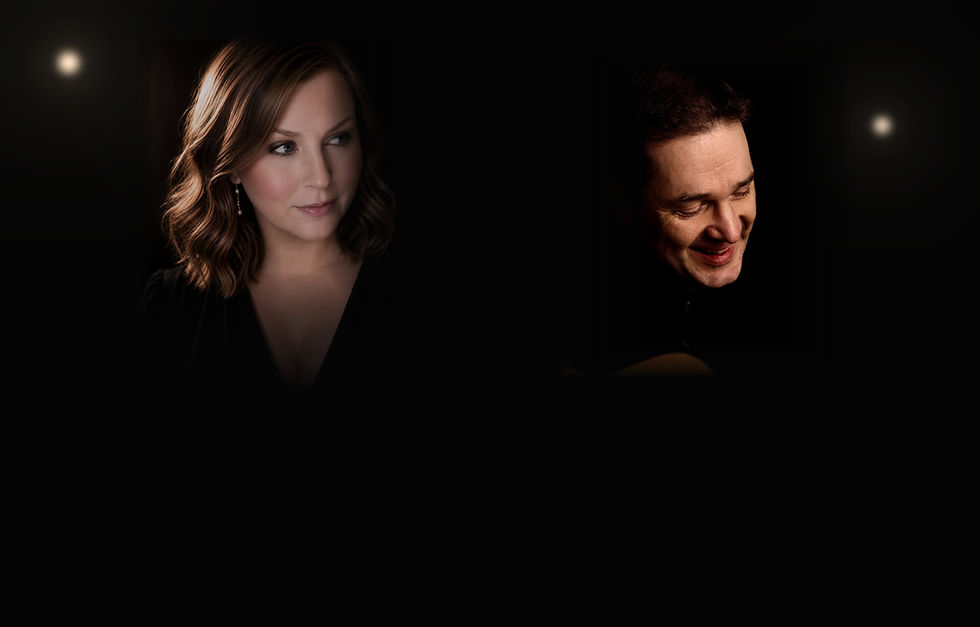
Norrá Hill is a US-German indie pop project built around Frank Lechtenberg, a guitarist, bassist, producer and primary songwriter based in Marienmünster, Germany, and Kari Ehli, a vocalist and lyricist based in Tacoma, Washington. Their music draws from the jangly guitar tradition of the C86 era and the aesthetic spirit of Bristol’s Sarah Records, alongside Britpop and 1980s dream pop. “Black Car” marks a more rhythmically urgent direction for the project. A deep, plectrum-played bass line anchors the arrangement, while Lechtenberg handles the guitars, bass, synthesizers and programed samples himself. Kari Ehli’s vocal performance moves between urgency and composure, giving the song an emotional clarity that never feels over-explained. Since 2019, Norrá Hill have released a series of carefully produced singles and EPs, including “Morning Civil Twilight”, “Perfect Storm” and “Gamble”. With “Black Car”, they take the intimate, atmospheric qualities of their earlier work and give them a stronger pulse - turning distance, longing and emotional acceptance into something that keeps moving.
🎧 Stream "Black Car” on Apple Music · Follow Norrá Hill on Instagram
Advertisement
Distribute your music to Spotify, Apple Music, TikTok and 150+ other platforms with Ditto Music.
Keep 100% of your royalties and release as much music as you want.
Uncle Junior - “Melt Me”
“Melt Me” takes its time for only a moment before pulling you fully into its world. A picked guitar opens the track quietly, followed by guitars and vocals that establish the mood almost immediately. The pre-chorus builds on that feeling, while the drums gradually push the song forward. By the chorus, the instrumentation becomes heavier, giving the track a stronger impact without losing the warmth of what came before.

Sound / Mood
The contrast between the different sections is what makes “Melt Me” work. The first half has a direct, guitar-led indie feel, with the drums providing a steady sense of movement and the chorus opening into a heavier instrumental passage. The second verse returns to the earlier mood before the arrangement takes another turn. After that, the song suddenly becomes much quieter. Strummed guitars replace the earlier drive and completely change the atmosphere. What was energetic and forward-moving becomes almost dreamy and wistful, with a sweet melancholy that stays until the final note. That shift gives “Melt Me” a surprisingly emotional ending.

Why This Matters
“Melt Me” is partly about the strange way dating apps can affect how we remember relationships and, in turn, how we see ourselves. The band describe the song as being about holding onto memories of lost time and the way those memories can shape self-image. That idea fits the song’s changing structure. The first half keeps moving, while the final section seems to step outside that momentum and look back. The sudden move into quieter guitars creates the feeling of lingering somewhere rather than simply moving on. It gives the song a sense of emotional afterthought without turning it into a straightforwardly sad track. There is also something fitting about the band choosing a more traditional four-chord verse-chorus structure for a song about this kind of emotional uncertainty. For a group that describes the format as outside their usual songwriting comfort zone, “Melt Me” shows that familiarity does not necessarily mean predictability.
Context
Uncle Junior are a Hampshire trio made up of Oli Noble, Eric Rye Lees and Isaac West. Although they have only now released their debut single, the band have already built a strong live reputation, including their current tour with Man/Woman/Chainsaw and previous shows alongside Sorry, Adult DVD and Alien Chicks. The three members have been playing together in different combinations since childhood, with years of shared experience shaping how they approach songwriting and performance. Their background also includes the deliberately chaotic hardcore-punk band Scumbag, while Rye Lees spent time studying classical music before joining the group. Recorded in rural France, “Melt Me” is their first four-chord “pop” song as a trio, but it still carries the sense of a band figuring out how far they can push their own songwriting. With further new music and headline shows in London and Brighton planned for November, the debut feels less like an introduction than the beginning of something already in motion.
🎧 Stream "Melt Me” on Apple Music · Follow Uncle Junior on Instagram
Solid Copy - “Thanks for Asking”
“Thanks for Asking” starts with a simple strumming guitar and strong vocals before the drums enter and push the song forward. The guitar pattern stays in place underneath the arrangement, giving the track a steady foundation as it gradually builds. In the pre-chorus, the guitars become more clipped and accentuated before opening up into a fuller chorus, where they create a wide backdrop for the catchy vocal melody.

Sound / Mood
The song is built around gradual escalation rather than sudden changes. The driving drums keep the track moving while the guitars become increasingly expansive with each section. The second verse follows the structure of the first, but the vocals come through with slightly more intensity, adding to the feeling that the song is constantly building. The bridge briefly pulls everything back, leaving space for a guitar riff and delicate humming vocals before the final chorus arrives with its full weight. That final release makes the song feel cathartic without losing the intimacy of the earlier sections.

Why This Matters
“Thanks for Asking” is interested in the gap between how we actually feel and how we present ourselves to other people. Beneath the familiar indie-rock momentum is an exhausting cycle of self-questioning and self-criticism. Rather than trying to clean those thoughts up or turn them into an easy message about overcoming them, Solid Copy allow the uncomfortable parts to exist. That makes the song’s eventual sense of acceptance feel more convincing. The music itself follows a similar path: it keeps accumulating tension before briefly stepping back and then opening into its biggest chorus. The result is not a song about suddenly fixing yourself, but about making room for the parts of yourself that are harder to accept.
Context
Solid Copy is a Brooklyn indie rock duo formed by cousins Fiona and Daniel Quinn, whose shared musical history reaches back to Irish folk songs sung around family dinner tables. Their sound combines jangly guitars and vocal harmonies with the darker atmospheric qualities of bands such as Interpol and My Bloody Valentine, alongside influences ranging from The Beths and Rilo Kiley to The Replacements. Before Solid Copy, Fiona worked behind the scenes in film and television, while Daniel was part of Brooklyn’s indie scene as a member of Cosmonaut. Together they developed a sound that connects intimate songwriting with expansive arrangements. “Thanks for Asking” is the final single ahead of their debut album "Forensic Manor". The record was produced by the band, engineered by Jeff Berner at Studio G and mastered by Carl Saff, with a full band including Casey Feldman on guitar, Tom Manolakes on bass and Tom O’Malley on drums. Released September 25, the single brings the album’s themes of emotional honesty, self-doubt and catharsis into one steadily expanding track.
🎧 Stream "Thanks for Asking” on Apple Music · Follow Solid Copy on Instagram
Three artists. Three very different ways of navigating a world shaped by distance, memory and self-perception. Norrá Hill turn physical separation into a reminder that connection can survive across borders. Uncle Junior look at the memories we carry from relationships and the strange ways lost time can stay with us. Solid Copy confront the harsher side of self-image, making space for thoughts we usually try to hide from others and ourselves. Different stories, different sounds, but all three show how deeply our inner lives are shaped by the people we connect with, the experiences we carry and the way we learn to see ourselves.
Further perspectives are available in our Artist Features, Cultural Essays and On This Track, each situating music within broader cultural and structural contexts.


Comments