


Three Track Week #10
- Editorial Staff

- Mar 22
- 3 min read
Three Track Week #10 Maps Collective Music Culture - From Ska’s Communal Roots to Heartland Reflection and Anarcho-Punk Resistance

This week’s selections trace how independent artists transform cultural memory into present-day commentary. From New York’s enduring ska community to heartland rock songwriting and the confrontational urgency of Los Angeles anarcho-punk, the three tracks illustrate different strategies artists use to respond to shifting cultural and economic realities. Across scenes and genres, the common thread is music as a social practice — a way of building community, processing uncertainty, and articulating resistance in a fragmented cultural landscape.
David Hillyard & The Rocksteady 7 – Ska Tradition as Collective Practice

New York ska collective David Hillyard & The Rocksteady 7 return with Home For Dinner, a new album that highlights the enduring relationship between Jamaican rhythm traditions and New York’s long-standing ska community. Formed in 1992 by saxophonist David Hillyard, known for his work with The Slackers, the ensemble has developed a distinctive approach that blends traditional ska structures with jazz phrasing and improvisational flexibility. The album’s title track, “Home For Dinner,” captures that spirit with buoyant horn arrangements and a rhythmic pulse that emphasizes movement and collective energy.

Sound / Mood
Driven by warm horn melodies, steady offbeat rhythms, and subtle jazz inflections, the track balances technical precision with a celebratory atmosphere. The production retains the organic feel of ensemble performance, foregrounding groove and interaction rather than studio polish.
Why this matters
Ska has always functioned as a social music — built around dance floors, local scenes, and community participation. Home For Dinner reflects how this tradition continues to evolve through collaborative networks rather than nostalgia.
Context
Produced with Roger Rivas of The Aggrolites and featuring musicians from extended ska institutions like Hepcat and The Slackers, the album highlights the interconnected ecosystem that has sustained ska culture for decades.
Ryan Hamilton – Personal Reckoning in Contemporary Heartland Rock
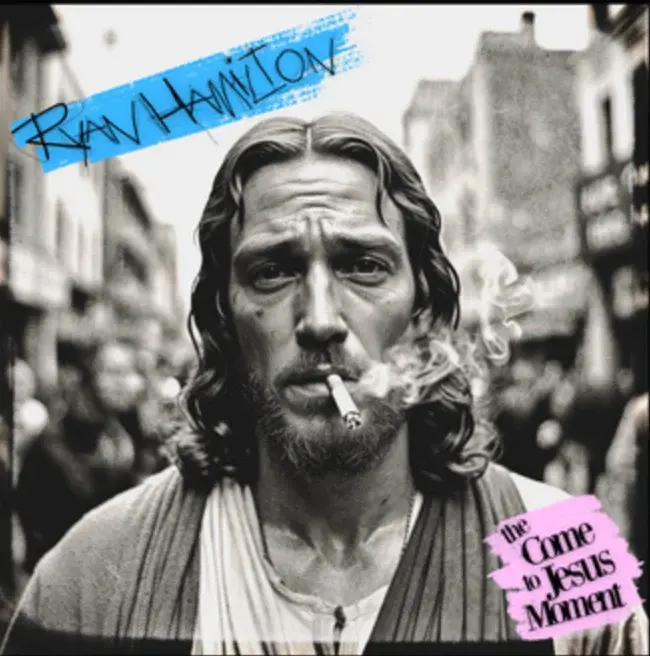
Singer-songwriter Ryan Hamilton approaches introspection with a melodic clarity that bridges classic heartland rock storytelling and modern pop sensibility. His new single “The Come To Jesus Moment”, released via Wicked Cool Records, transforms a familiar phrase into a reflection on confrontation, change, and personal accountability.
Sound / Mood
The track unfolds through jangling guitars and a gradually intensifying chorus, pairing Hamilton’s expressive vocal delivery with a production that moves between restraint and release. Humor and vulnerability coexist in the lyrics, giving the song an emotional elasticity that avoids self-seriousness.
Why this matters
Hamilton’s songwriting demonstrates how traditional rock narrative structures continue to adapt within a contemporary independent ecosystem shaped by streaming and cross-generational audiences.
Context
Produced in collaboration with Steven Van Zandt, the track reflects an intergenerational dialogue between classic rock craftsmanship and modern independent songwriting — a reminder that genre traditions remain fluid rather than fixed.
Gottlieb – Anarcho-Punk as Economic and Cultural Critique

Los Angeles anarcho-punk collective Gottlieb bring a far more confrontational energy with their new single “Pipe Bomb”, the first release from their upcoming debut album The Far Fallen Fruit. Emerging from a cooperative DIY environment in central Los Angeles, the band situates their music within the lineage of politically engaged punk while addressing contemporary anxieties surrounding labor precarity, cultural commodification, and generational disillusionment.

Sound / Mood
“Pipe Bomb” channels the volatility of hardcore punk with a layer of post-punk tension. Jagged guitar lines and explosive rhythmic shifts create a sense of instability that mirrors the song’s lyrical themes of economic collapse and artistic alienation.
Why this matters
While much of modern punk revival leans toward aesthetics, Gottlieb foregrounds political commentary as structural rather than decorative continuing the anarcho-punk tradition of music as critique.
Context
Entirely self-produced and rooted in the band’s activist network, The Far Fallen Fruit documents what the group describes as a generational rupture with inherited economic and cultural systems.
Three Track Week #10 reveals:
how independent music continues to operate across multiple cultural registers: celebration, reflection, and confrontation. Whether through ska’s communal groove, melodic rock introspection, or anarcho-punk resistance, these artists illustrate how scenes remain spaces where musicians translate personal and political realities into shared cultural expression.
Continue with previous editions of Three Track Week to trace how independent music communities evolve across regions and time.


Comments